History of Aari Work: The Legacy of Indian Embroidery
Aari work is a centuries-old embroidery technique that has its roots deeply embedded in India’s rich cultural and artistic heritage. Known for its intricate craftsmanship, fine needlework, and elaborate designs, Aari embroidery has been a symbol of royal elegance and traditional artistry for generations.
Origins and Early History
Aari embroidery traces its origins to the Mughal era, where it was extensively used to decorate royal garments, wall hangings, and furnishings. The word “Aari” is derived from the hooked needle used in this embroidery, which allows artisans to create fine and detailed patterns with remarkable precision.
Initially practiced by artisans in Rajasthan, Gujarat, and Uttar Pradesh, Aari work soon spread across India, gaining immense popularity among the royalty and aristocracy. It became a mark of luxury, often seen in the attire of kings, queens, and nobles.
Traditional Significance
Aari embroidery was predominantly used in wedding sarees, lehengas, and sherwanis, making it an essential part of India’s bridal couture. The detailed floral motifs, peacock patterns, and intricate threadwork gave these outfits an exquisite and timeless charm.
Historically, this art form was passed down through generations, with each artisan adding their unique style and creativity to the craft. Over time, Aari work became an integral part of temple art, home décor, and religious garments, further showcasing its deep connection with Indian traditions.
Evolution and Modern Adaptations
With changing fashion trends, Aari work has evolved from being just a royal embroidery technique to a widely celebrated art form in the global fashion industry. Today, it is used in:
-
Contemporary fashion – Designer sarees, gowns, kurtas, and Indo-western outfits
-
Bridal wear & couture – High-end embroidered ensembles for weddings and festive occasions
-
Home décor & accessories – Cushion covers, handbags, wall frames, and decorative pieces
Modern-day artisans have also embraced new materials like sequins, beads, zari, and mirror work, blending tradition with innovation to create unique masterpieces.
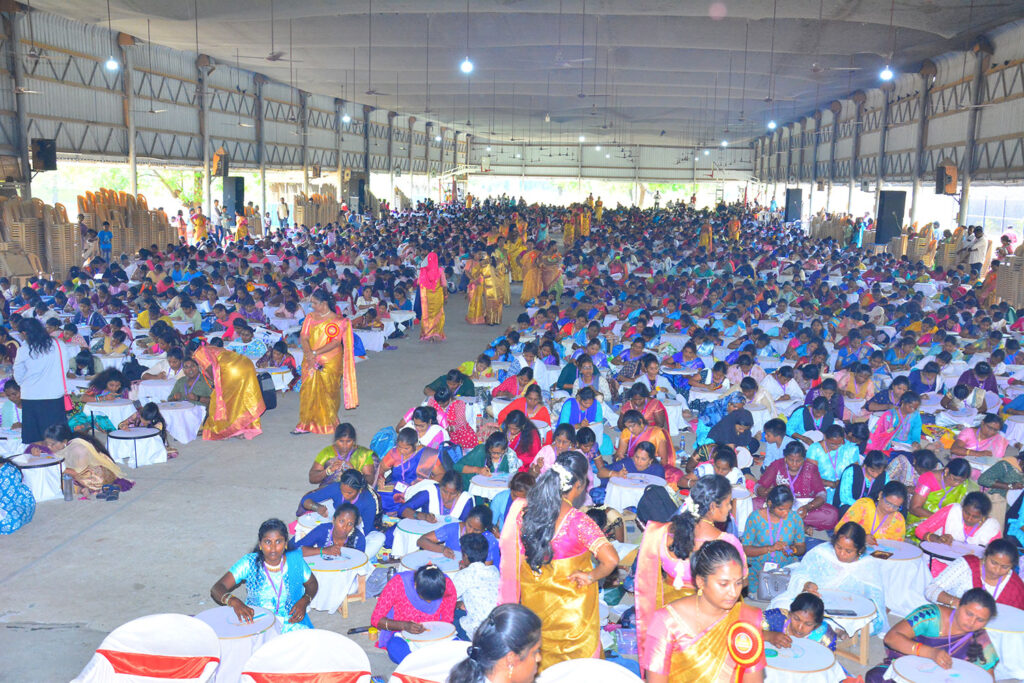
Challenges Faced by Aari Artisans
Despite its historical significance, Aari work faces several challenges today:
Lack of recognition and fair wages for artisans
Decline in traditional hand embroidery due to machine-made alternatives
Limited global market access for handmade Aari products
Need for skill development and modernization
Preserving the Legacy
Organizations like the Indian Aari Workers Federation (IAWF) are working tirelessly to revive and sustain this ancient craft. By providing training, financial support, and global exposure, IAWF aims to uplift artisans and keep the legacy of Aari embroidery alive for future generations.
Conclusion
Aari work is more than just embroidery—it is a living heritage, a testament to India’s artistic excellence. As we embrace modern innovations, it is crucial to honor and support the artisans who have kept this tradition alive for centuries. With proper recognition and opportunities, Aari embroidery will continue to shine on the world stage, preserving its legacy for years to come.